Author
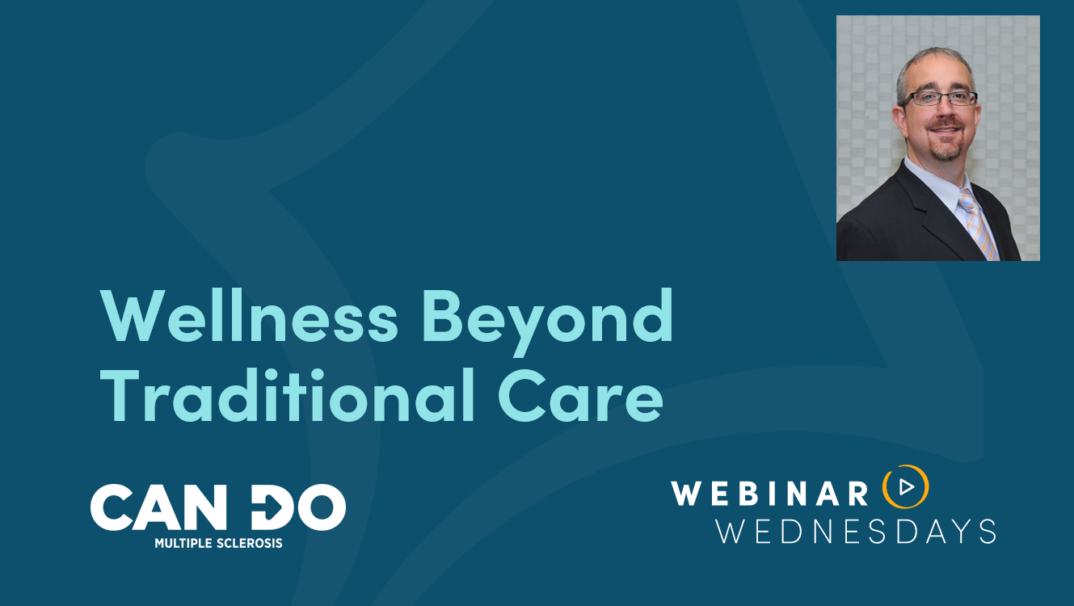
Selena Buongiorno , Lifestyle Medicine Physician Assistant

Close

6 Aug 2026 | ~04:57 Engagement Time
People living with MS are told what medications to take and when to get their MRIs, but they are not always told how to live well with this disease. So many of us are diagnosed and asked to choose a medication without any other guidance. Not everyone is lucky enough to have a medical provider who places a high priority on incorporating complementary lifestyle changes into their prescribed treatment plan. Wellness strategies should always be included to help someone live their best life possible. I practice lifestyle medicine, which focuses on using daily habits and behaviors to prevent, treat, and sometimes even reverse disease. Integrative medicine is not about having to choose between taking a medication or making lifestyle changes. It is about combining medication with supportive health practices to create a more personalized approach to care. Whether you have MS or care for someone with MS, integrative medicine can benefit you. It can even help those without a chronic illness since it focuses on prevention.
Integrative medicine takes a whole person approach that combines the best parts of conventional medicine with lifestyle medicine and other evidence based complementary therapies. Lifestyle medicine is often part of integrative medicine. It focuses on supporting the body, mind, and overall quality of life alongside traditional neurologic care. Like lifestyle medicine, integrative medicine focuses on nutrition, exercise, sleep, stress management, avoiding risky substances, and the importance of social connection, but it also incorporates mindfulness, meditation, yoga, supplements, physical therapy, chiropractic care, and other complementary therapies such as massage, acupuncture, and cupping.
True MS care requires a comprehensive approach because this disease is complex and unique to every individual. Multiple Sclerosis can affect a variety of systems, and symptoms can fluctuate, so care needs to be personalized and flexible. Treating MS is about so much more than monitoring lesions on an MRI scan. It is about improving energy, enhancing mood, reducing stress, getting better sleep, staying mobile, and improving overall quality of life.
Lifestyle medicine is built on pillars that can improve the life of someone living with MS. These include nutrition, physical activity, stress management, restorative sleep, avoidance of risky substances, and positive social connection. Nutrition is especially important for someone with an autoimmune condition like Multiple Sclerosis. The focus needs to be on whole, nutrient dense foods while limiting processed foods and added sugars. I often tell my patients to shop the outer perimeter of the grocery store and avoid the center aisles where most boxed and processed foods are located. Nutrition can play a major role in helping reduce inflammation. Physical activity is also important, although mobility and endurance may fluctuate day to day depending on pain and fatigue. Remember that anything you do is better than nothing, and movement does not have to happen all at once. The effects of exercise are cumulative, so shorter sessions throughout the day still count. Seated exercises are a great option if mobility is limited. Swimming can also be an excellent low impact exercise, although it is safest not to swim alone.
Chronic stress can worsen MS symptoms and increase fatigue, so stress management techniques can be beneficial. Mindfulness practices such as breathwork, therapy, meditation, and journaling may help improve emotional wellbeing and resilience. Sleep and fatigue are deeply connected in MS, which makes good sleep hygiene essential. Rest plays an integral role in healing. Prioritizing rest does not mean you are lazy. Rest is necessary and does not have to be earned. Avoiding risky substances such as alcohol and tobacco is also important because both can contribute to inflammation and worsen symptoms. Strong social connections can also improve mental health by reducing feelings of isolation and loneliness while providing encouragement and a sense of belonging.
MS can also bring symptoms such as pain, muscle spasms, and overall body discomfort. There are several therapies that may help, but everyone is different, so it is important to find what works best for you and to speak with your doctor before starting anything new. Yoga can help strengthen the core, which may improve pain, stability, and balance. Balance is important in MS because it can help reduce the risk of falls. Physical therapy can also help strengthen weak or injured muscles and improve mobility. Chiropractic care may help some individuals as well, although spinal manipulation should be approached carefully and avoided when spinal lesions are present. Many chiropractors also offer manual therapies that do not involve spinal adjustments. Not all providers are the same, so it is important to find someone you trust who aligns with the treatment plan you and your neurologist have created together. Some providers may also recommend complementary therapies such as massage, acupuncture, and cupping, which can help certain individuals manage muscle spasms and musculoskeletal discomfort.
Supplementation may also be beneficial, but it is essential to speak with your primary care doctor and neurologist before starting anything new because over the counter does not always mean safe. Supplements can still interact with prescription medications. They are also not regulated in the same way medications are, so quality matters. Not all supplements are created equal, which is why it is important to work with a trusted medical provider, do your own research, and be your own advocate. No one knows your body better than you do.
Integrative medicine gives people the tools they need to support themselves beyond medication alone. It is important to remember that healing is not linear and there is no one size fits all approach. People living with Multiple Sclerosis deserve personalized care that looks at the whole person, not just the diagnosis. Remember that small changes can create meaningful impact over time. You do not have to do this alone. There are many resources available to help people with MS thrive and live their best life.
Keep Learning...