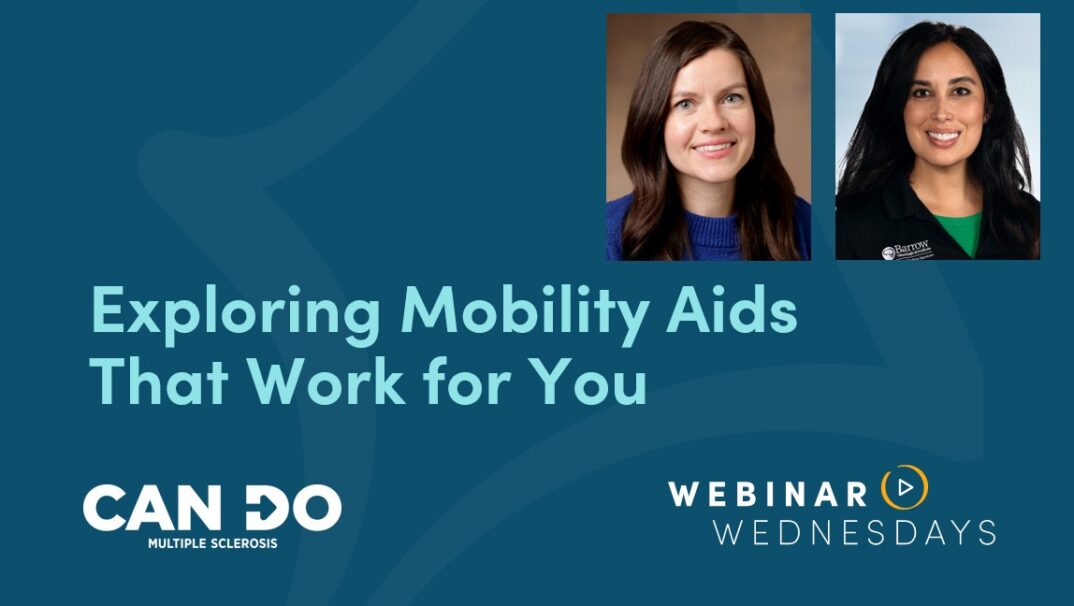
Author
Samantha Balistreri , Physical Therapist

Close

3 Mar 2026 | ~03:18 Engagement Time
Many people living with multiple sclerosis are already taking GLP-1 medications – or seriously considering them – for weight management, diabetes, or metabolic health.
If that’s you, the most important question may not be, “Do GLP-1s help MS?” but rather: “What should I know so I can use this medication safely and thoughtfully while living with MS?”
This article is meant to support informed decision-making and help you feel confident talking with your healthcare team about what’s right for you.
One of the less talked-about effects of significant or rapid weight loss is the potential loss of lean muscle and bone density.
For people living with MS, this is especially important because:
If you are taking a GLP-1 medication, protecting muscle and bone health becomes an important part of your overall care plan.
This may include:
This isn’t about appearance or fitness goals. It’s about preserving strength, function, and independence over time.
Many people experience partial or full weight regain after stopping a GLP-1 medication. This is common and does not reflect a lack of willpower or effort. It’s related to how these medications affect appetite regulation and metabolism.
For people with MS, this means it can be helpful to:
Decisions about how long to use a GLP-1 medication are highly individual and best made through ongoing conversations with your healthcare provider.
GLP-1 medications remain expensive, with costs often exceeding $1,000 per month without insurance coverage.
Coverage varies widely and may be:
For people managing a chronic condition like MS, these financial considerations are real and important. Open conversations with your healthcare team about cost, coverage, and alternatives can help avoid unexpected stress.
If you’re taking or considering a GLP-1 medication, you may find it helpful to ask:
Shared decision-making honors your experience and priorities as essential parts of your care.
GLP-1 medications may offer meaningful benefits for some people living with MS by:
At the same time, it’s important to be clear:
When used thoughtfully, they may be one piece of a broader approach to health alongside MS medications, rehabilitation, nutrition, movement, mental health support, and community.
Living with MS already involves navigating uncertainty. Decisions about GLP-1 medications can add another layer and deserve clear information, honest discussion, and individualized support.
As research continues, the most powerful tools remain informed choices, open communication, and collaborative care.
Keep Learning...
But wait, there's more...
View All Related to Daily Life with MS: Healthy Lifestyle