
Why The MS Definitions Are Changing

Close
Reposted with permission from MS News Today
17 Mar 2026 | ~3:15 Engagement Time
MS News Today. This article is reposted with permission from MS News Today.
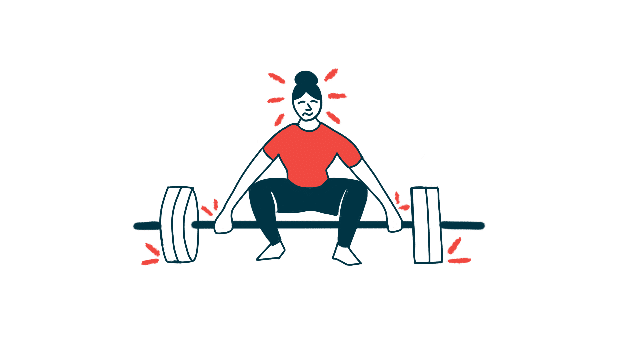
People with multiple sclerosis (MS) who engage in more physical activity tend to have less severe physical and cognitive disability, a study demonstrated.
While past exercise levels showed no correlation with later disease onset or slower disability accumulation, current exercise habits were significantly associated with physical disability in MS participants.
This association was strongest among people with progressive types of MS and those diagnosed in early adulthood.
“These findings support the value of continued exercise in maintaining function, especially for patients at higher risk of progression,” researchers wrote in a poster presented last week at the Americas Committee for Treatment and Research in Multiple Sclerosis (ACTRIMS) Forum 2026, held in San Diego and online. The poster was titled, “Exercise decreases MS progression slopes.”
Fatigue, defined as an overwhelming feeling of mental or physical tiredness that significantly impacts daily activities, is one of the most common symptoms of MS, affecting about 80% of people with the disease. For many, it is considered the single most debilitating symptom of the disease.
Despite its prevalence and significant impact on a person’s well-being, there are still limited treatment options to ease MS-related fatigue.
Caffeine, a compound found in coffee and cocoa, is known to act as a neuronal stimulant, helping people feel more alert, focused, and energetic. Due to its properties, it could represent a safer and more accessible alternative for easing fatigue in MS, but clinical trials testing this effect are still lacking.
To address this, a team of Iranian researchers conducted a clinical trial (IRCT20241129063892N1) to determine whether caffeine supplementation could reduce fatigue in MS patients.
The trial enrolled 60 adults, most of whom (96.7%) had relapsing-remitting MS, and randomly assigned them to receive 100 mg of caffeine per day in oral tablets or a placebo for about three months.
After this period, both groups experienced a significant reduction in fatigue, but the decline was more than twice as large in the caffeine group as in the placebo group (16.5 points vs. 7.1 points, respectively).
MS is an autoimmune disease that affects the brain and spinal cord, leading to symptoms such as fatigue, difficulty walking, balance issues, and cognitive problems.
While many medications can be used to modify the course of MS and ease disease symptoms, it is well established that such lifestyle modifications as eating a well-balanced diet, quitting smoking, and reducing alcohol intake may also provide benefits.
Exercise has also shown positive effects in people with MS, helping to improve balance and coordination, reduce the risk of falling, decrease fatigue, and improve cognition. However, less is known about the impact of exercise on MS onset and progression.
To learn more, a team of researchers at the National Institutes of Health’s National Institute of Allergy and Infectious Diseases assessed the effects of exercise in a group of 177 people with MS.
Participants were asked to complete surveys about their past and current exercise habits, including manual work activities. Physical disability was measured using the Combinatorial Weight-Adjusted Disability Scale (CombiWISE), which combines several disability metrics and is believed to be more sensitive to minor changes than the commonly used Expanded Disability Status Scale.
For their analyses, the team looked at past and current exercise habits separately. Results showed that higher levels of current exercise were significantly associated with lower CombiWISE scores, indicating less physical disability. Greater current activity also tended to be linked to better cognitive outcomes, although this did not reach statistical significance.
The association between exercise and physical disability was consistent across multiple clinical measures, particularly among people with progressive MS and in those whose disease onset occurred between ages 19 and 30.
Past exercise habits showed less clear effects. There was no evidence that people who exercised more earlier in life experienced a later MS onset, and past activity levels were also not associated with disability changes over time in the overall group. Still, a significant association between higher levels of past exercise and slower disease progression was observed in males.
The study did not prove that exercise directly reduced disability or slowed disease progression — it’s even possible that lower disability levels may make it easier for patients to engage in physical activity, which could explain the associations seen in this study.
However, the findings support the use of exercise as a potentially valuable addition to MS care, according to the researchers. They noted that exercise programs should be tailored to each person’s symptoms, including fatigue and heat sensitivity.
Nonetheless, the team noted that “more longitudinal large-scale studies are needed to find better understanding of how exercise would affect MS severity and progression.”
The Multiple Sclerosis News Today team is providing virtual coverage of the ACTRIMS Forum 2026 from Feb. 5-7. Go here to see the latest stories from the conference.
This article was written by Lila Levinson, PhD | February 12, 2026
Keep Learning
But wait, there's more...
View All Related to Daily Life with MS: Research
